


Introduction
Magnesium is one of the most important minerals for the human body. It is involved in more than 300 biochemical reactions, ensuring the normal work of the nervous system, muscles, heart, bone tissue and metabolism. A modern lifestyle, chronic stress, an unbalanced diet and certain diseases mean that magnesium deficiency is very common today.
Main symptoms of magnesium deficiency
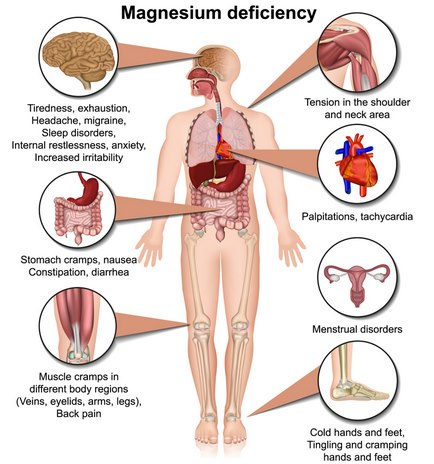
1. Disturbances of the nervous system
Magnesium plays a key role in regulating nerve impulses. When it is lacking, the following may be observed:
- Increased irritability
- Inner restlessness and anxiety
- Sleep disturbances, insomnia
- Reduced concentration
- Rapid fatigue
2. Problems with muscles and joints
Magnesium is necessary for muscle relaxation. Its deficiency shows up as:
- Cramps in the muscles of the legs and arms
- Twitching of the eyelids
- Muscle pain and tension
- Rapid tiredness during physical activity
Cramps most often occur at night.
3. Effect on the cardiovascular system
Magnesium maintains a stable heart rhythm. With a deficiency the following are possible:
- Rapid heartbeat
- A feeling of interruptions in the heart's work
- Blood-pressure fluctuations
- An increased risk of arrhythmias
4. Psycho-emotional disturbances
A lack of magnesium directly affects the emotional state:
- Low mood
- Increased sensitivity to stress
- A tendency towards anxious states
- Apathy and reduced motivation
Studies show that people with low magnesium levels more often experience depressive states.
5. Hormonal and metabolic disturbances
Magnesium is involved in the work of insulin and other hormones. Its deficiency can lead to:
- Unstable blood sugar levels
- Increased cravings for sweets
- Worsening of premenstrual syndrome in women
- Difficulty losing weight
6. Disturbances of the digestive system
Magnesium is necessary for normal intestinal motility. When it is lacking the following may occur:
- Constipation
- Bloating
- Slowed digestion
Who suffers most often from magnesium deficiency?
- People under constant stress
- Those who frequently consume coffee and carbonated drinks
- Pregnant and breastfeeding women
- Athletes and people with a high physical workload
- Patients with diseases of the gastrointestinal tract
How to prevent magnesium deficiency?
To maintain a normal magnesium level it is recommended to:
- Include nuts, legumes and green vegetables in your diet
- Reduce stress levels
- If necessary, take magnesium supplements on a doctor's recommendation
- Limit excessive consumption of coffee and alcohol
Conclusion
Magnesium deficiency often goes unnoticed, yet it can significantly impair the work of the nervous system, heart and muscles and overall well-being. If characteristic symptoms are present, it is recommended to consult a specialist and undergo an examination to assess the body's magnesium level.
You can buy our magnesium products on Uzum Market.
magnesium: https://uzum.uz/uz/product/magniy-b6-480mg-50-dona-antistress-1963732?skuId=6937964