


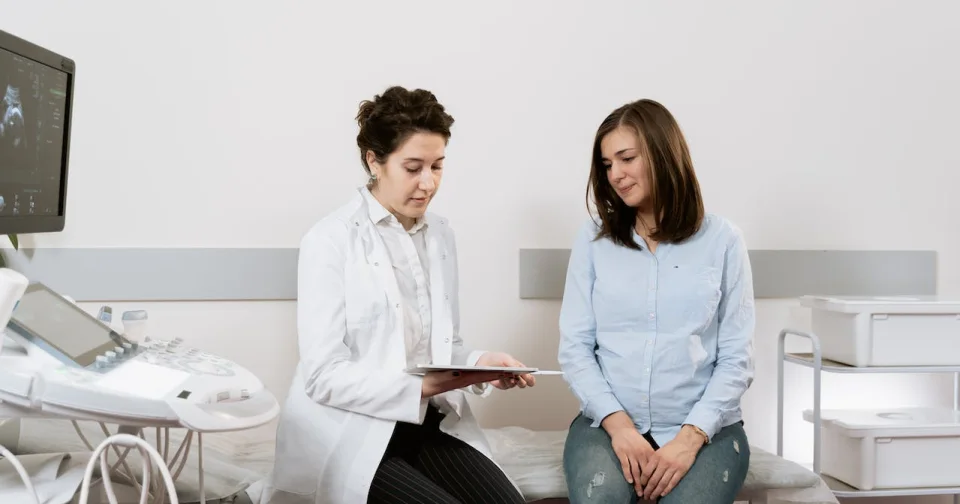
Women's health is a very broad and important topic. Because of work, household chores, caring for children and everyday stress, many women pay too little attention to their own health. But timely care helps prevent dozens of possible problems in the future.
Below are the most common questions women ask, along with clear, scientifically grounded answers.
1. Anaemia and iron deficiency: symptoms and prevention
Iron deficiency is one of the most common conditions in women. It occurs especially often with heavy menstruation, stress, insufficient nutrition, and also during pregnancy and after childbirth.
Main symptoms:
- Rapid fatigue
- Dizziness
- Shortness of breath
- Cold hands and feet
- Hair loss
- Brittle nails
- Rapid heartbeat
Why does iron deficiency occur?
- Heavy menstruation
- Pregnancy and breastfeeding
- A lack of iron in the diet
- Poor absorption of dietary iron
- Hidden blood loss (stomach, intestine)
Prevention and solutions:
- Iron-rich foods: red meat, liver, spinach, buckwheat
- Take together with vitamin C — this improves iron absorption
- Do not drink tea or coffee with meals (wait 1 hour afterwards)
- Have a complete blood count once a year
- If necessary — take iron supplements as prescribed by a doctor
2. Hormonal imbalances: acne, irregular cycle, PMS
A woman's body is very sensitive to hormonal balance. Even the slightest changes can strongly affect overall well-being.
The most common symptoms:
- Acne and increased skin oiliness
- An irregular menstrual cycle
- PMS (irritability, headache, swelling)
- Hair loss or excessive hair growth
- Sharp weight fluctuations
- Sleep disturbances
Main causes:
- Stress
- Poor nutrition
- Lack of sleep
- Thyroid diseases
- Polycystic ovary syndrome (PCOS)
- Hormonal contraceptives
When should you see a doctor?
- If the cycle is shorter than 21 or longer than 35 days
- If menstruation is absent for more than 3 months
- If acne is severe and does not respond to treatment
- If there are difficulties conceiving
- If weight changes sharply
3. Which vitamins are needed after the age of 30?
After the age of 30, a woman's body gradually changes. During this period, the right vitamin support helps preserve health for many years.
Recommended vitamins:
- Vitamin D3 + K2 — bones, hormonal balance, immunity
- Omega-3 — brain, heart, anti-inflammatory effect
- B vitamins (especially B6, B9, B12) — nervous system, energy
- Iron — especially with heavy menstruation
- Magnesium — reduces stress, improves sleep
- Probiotics — gut health and immunity
Why is this important?
- Stress increases
- Inflammatory processes in the body intensify
- Metabolism slows down
- Vitamin reserves decline
4. Which tests should a woman have once a year?
Prevention is the best treatment. In 90% of cases a disease is easier to treat if it is detected at an early stage.
List of annual tests:
General tests:
- Complete blood count
- General urine test
Biochemistry:
- Liver markers (ALT, AST)
- Kidney markers (creatinine, urea)
- Blood glucose
- Lipid profile (cholesterol)
Hormones:
- TSH (thyroid gland)
- Prolactin
- FSH, LH
- Oestradiol (if necessary)
Gynaecological examinations:
- Pelvic ultrasound
- PAP test (oncocytology)
- Vaginal flora smear
Additional tests:
- Vitamin D
- Iron and ferritin
- Vitamin B12
Why is this important?
- Checking hormonal balance
- Early detection of PCOS, anaemia and thyroid diseases
- Detection of inflammation and hidden pathologies
- Identifying the causes of cycle disorders, infertility and skin problems
Conclusion
Women's health is a very sensitive area that requires attention and care. Proper nutrition, the necessary vitamins, stress management and annual preventive check-ups are the main keys to strong health.